
Living with hip pain that left her unable to swim, dance, or walk freely, our patient chose private hip replacement and returned to the active life she missed in just 13 weeks.
“My quality of life is more important than anything else.”
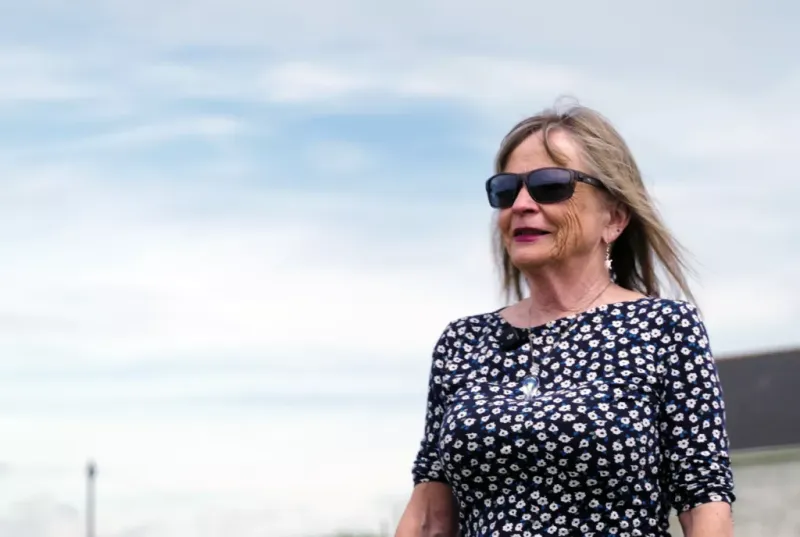
Her hip pain began to change everything, the walk became slower and everyday tasks became harder. Stairs were taken one step at a time. Activities she had always loved started to slip away.
Perhaps the hardest loss was cold water swimming.
“My husband drove me down to the sea so I could see my friends going swimming and I couldn’t join them. That was really heartbreaking.”
Instead of being in the water with them, she watched from the sidelines. At home, life felt very different too.
“I was like a caged tiger sitting there doing my knitting and crochet. I just wanted to get out.”
As her mobility declined, the signs became harder to ignore.
“When your grandchildren borrow your walking stick, you think – this isn’t good.”
While Pauline waited for treatment, the pain continued to worsen. At the same time, a dream holiday to Bali was approaching. She knew something had to change.
After researching different options, including treatment abroad, she discovered Transform Medical and learned she could have surgery closer to home in Swansea.
Soon afterwards, she underwent hip replacement surgery.
Recovery brought its own challenges, but week by week she began rebuilding the active life she had missed.
The goal was never complicated.
It was simply to get back to the things she loved.
And then, one day, she returned to the water.
Her swimming group welcomed her back in their own way, gathering around her on the beach and singing.
For someone who had spent months watching from the shore, it was a moment that meant everything.
Today, she is once again walking along the seafront, spending time with her family and returning to the activities that make her feel like herself.
When asked what it feels like to have that mobility back, her answer was simple.
And when asked to describe the difference between life before surgery and life now, she didn’t hesitate.
For anyone currently living with hip pain and wondering whether to seek help, she offers one final thought:
Just a few months earlier, her world had become smaller and smaller. A woman who loved being outdoors, swimming in the sea and spending time with friends had found herself watching from the sidelines.
But standing with her now, it was clear just how much had changed.
For Pauline, one of the clearest signs that life was returning to normal came around eight weeks after surgery.
She had spent weeks following her recovery programme, gradually building up her strength and mobility. But there was one thing she was particularly eager to get back to.
Dancing.
Not long after, she attended her first dance event since the operation. Then came something even bigger, an entire weekend of 1960s dancing.
For four nights, Pauline was back doing something she loves.
There was some stiffness afterwards, which she expected. But compared to the limitations she had been living with before surgery, it felt like a huge milestone.
Before her operation, even everyday walking had become increasingly difficult. The idea of spending an entire weekend dancing would have felt impossible.
Now, she was back among friends, enjoying herself and focusing on the music rather than her hip.
As she spoke about the weekend, her excitement was infectious. It wasn’t simply about dancing. It was about getting back a part of her identity.
For someone who had always lived an active, social life, being able to spend hours on the dance floor again was a reminder that the things she loved most were no longer out of reach.
It was one of the first moments she truly felt that life was opening up again.
One of the highlights of our visit was walking down to the beach together. Before surgery, the journey had become a painful challenge. This time, we timed it again.
The number itself was remarkable, but what struck us most was how naturally she moved. There was no hesitation, no stopping to rest and no visible frustration. She simply walked, chatting and laughing along the way.
When we reached the beach, it felt emotional for everyone.
For her, getting back to the sea wasn’t just about exercise. It was about getting back to herself.
The return to swimming was particularly special.
Watching her talk about it, it was obvious how much joy those moments brought her. The woman who had once felt trapped by pain was now planning ballroom dancing weekends and looking ahead to holidays filled with paddleboarding, kayaking and adventure.
Perhaps the most powerful thing she said was when we asked what it feels like to have that freedom back.
Simple words, but they said everything.
For her, the biggest change isn’t measured in minutes saved on a walk or milestones reached during recovery. It’s being able to spend time with her grandchildren, dance with friends, swim in the sea, and enjoy everyday life without constantly thinking about pain.
When we left, what stayed with us wasn’t a story about surgery.
It was a story about getting life back.
From watching the world go by from the sidelines to dancing all weekend and walking to the beach in eight minutes, her journey is a reminder that the things we miss most are often the simple things. And sometimes, getting those moments back can mean everything.
As wonderful as it was to hear about everything Pauline has already regained, what struck us most was how excited she was about the future.
The Bali holiday that once felt uncertain is now firmly on the horizon.
When we first met Pauline, the thought of kayaking, paddleboarding, and exploring a new country seemed increasingly out of reach.
Now those possibilities feel real again. For her, surgery wasn’t simply about reducing pain.
When we left Pauline that day, it was clear that this story wasn’t really about a hip replacement. It was about freedom.
Individual results may vary.
This story reflects the experience of one Transform Medical patient. Every patient is different, and outcomes, recovery times and suitability for treatment will vary.
Thinking about hip replacement surgery?
Book a no-obligation consultation with Transform Medical to discuss your options.